How to keep office plants alive over vacation comes down to three things: water each pot properly the day you go, slow down how fast the plant loses moisture, and line up a person or a tested system for anything longer than a week. Most office plants survive two weeks without drama. The ones that don’t are usually the ones that got overwatered on departure day.
Office plants have one extra problem that home plants don’t: you can’t get to them on Saturday. Building security may not let a colleague in over the weekend, and the HVAC system often drops to a lower setting on an empty floor. That changes both the watering schedule and the temperature your plants sit in while you’re gone.
The plan below takes about 30 minutes to set up for a handful of plants. Adjust it for the length of your trip and the type of plant on each desk.
Table of Contents
- What You Need
- Step-by-Step
- Identify each plant and its watering needs
- Check soil moisture before watering
- Water thoroughly, not more often
- Reduce the plant’s watering demand
- Create a short-term humidity or moisture buffer
- Arrange help for longer absences
- Set up an automatic watering option carefully
- Inspect plants before and after the trip
- Common Mistakes
- Frequently Asked Questions
- Can I leave my plants for 3 weeks?
- How can I keep my plants watered while on vacation?
- How many days can plants go without water?
- Should I water my plants the day I leave?
- What is the best way to water office plants while on vacation?
- How do I bring a plant back after it looks bad?
- Conclusion
What You Need
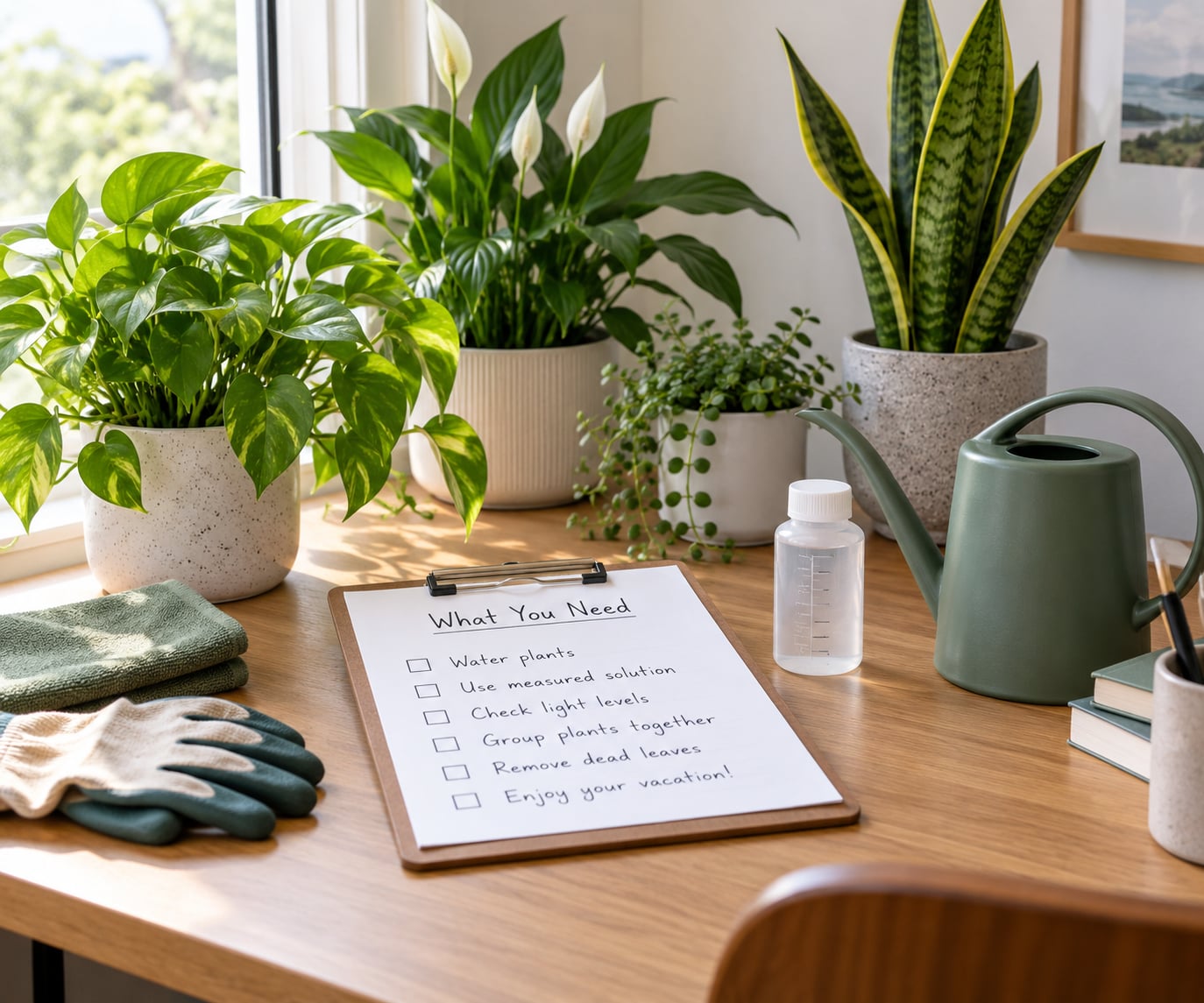
You do not need much. You need enough information to make a decision per plant, and one of two watering options for the plants that need them.
- The plant list. Write down every plant, its location, and its light situation. Reception ficus, cubicle pothos, and the conference room snake plant have completely different needs.
- Trip length in days. Count the days you will actually be away, not the days you are travelling. A long flight still counts as away time.
- A watering can with a narrow spout or a plastic bottle with a small hole in the cap. A misting bottle is not a watering can.
- A measuring cup or marked bottle. Write the amount for each plant on a card so whoever waters for you does not guess.
- Mulch, pebbles, or clean gravel. A thin layer over the soil surface slows evaporation.
- A trusted colleague, or a plant-care service if the trip runs past 10 days.
- Care labels, a sticky note, or your own care notes for anything you are not certain about.
If you are unsure what a plant is, check the nursery tag, the shipping email from when it arrived, or the plant’s care card. Guessing is how office plants end up drowning.
Step-by-Step
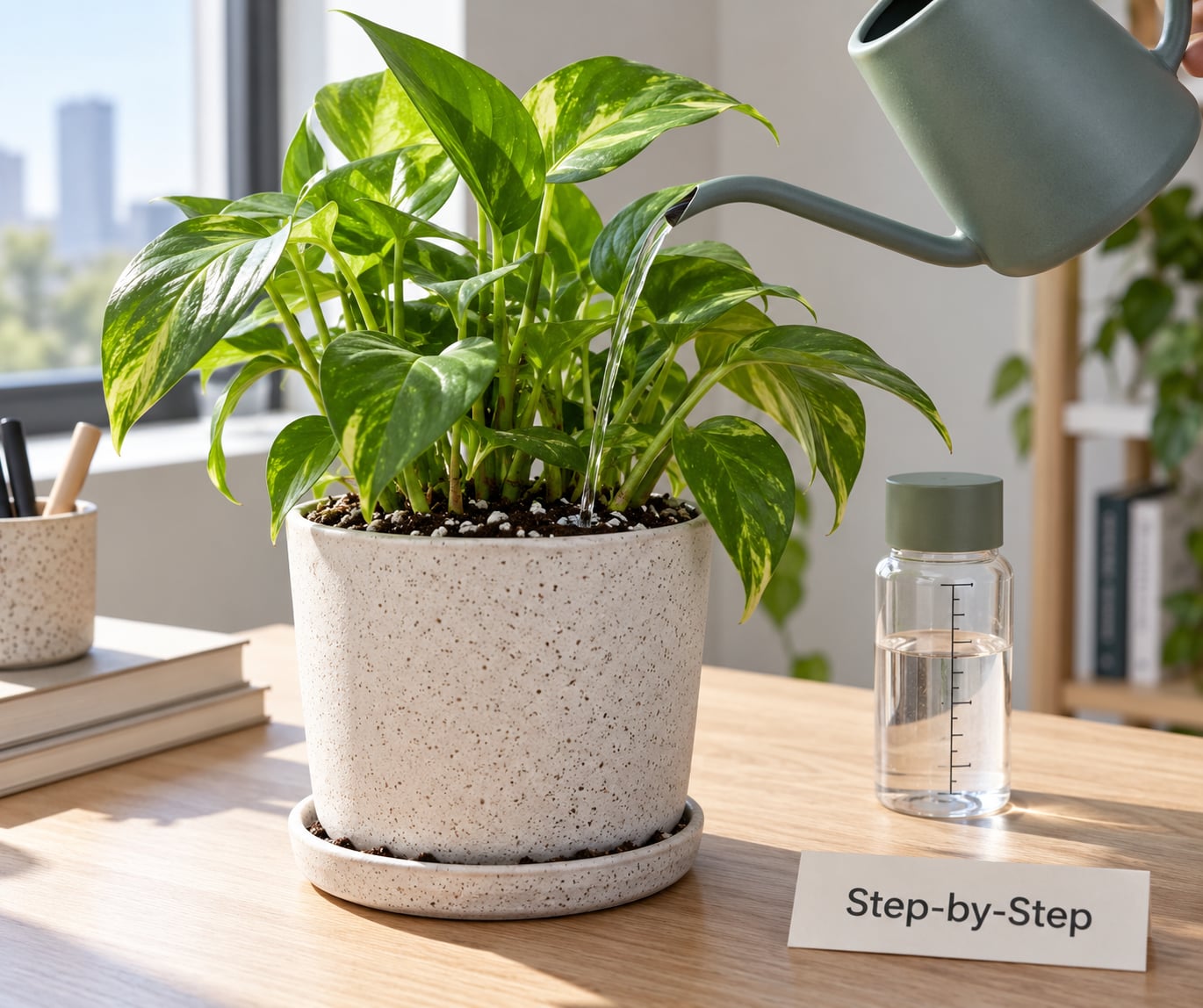
Work through these steps in order. The order matters, because the watering step changes what you need to do in the buffering and relocation steps.
Here is how long common office plant groups usually hold up with no attention at all, if they were watered properly on the day you left:
| Time away | Tropical foliage (pothos, philodendron, dracaena) | Snake plant, ZZ, succulents | Flowering (peace lily, anthurium) | Best approach |
|---|---|---|---|---|
| 1 to 3 days | Fine | Fine | Fine | Water on departure day, empty saucers, done |
| 4 to 7 days | Usually fine | Fine | Borderline | Water deeply, add mulch, move out of direct sun |
| 2 weeks | Needs help | Fine | Needs help | Set up a wick or reservoir, or arrange a plant sitter |
| 3 to 4 weeks | Unreliable alone | Usually fine | Unreliable alone | Plant sitter twice a week is the safe choice |
Identify each plant and its watering needs
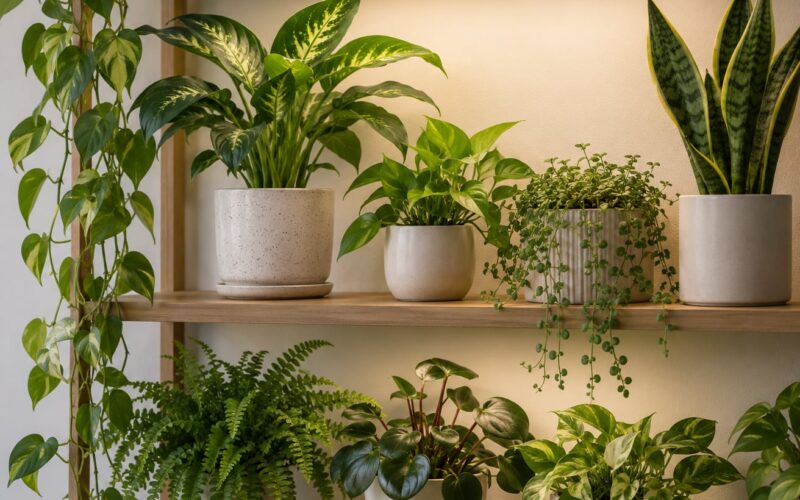
Group your plants before you touch a single watering can. Three groups cover almost every office: tropical foliage that drinks regularly, succulents and cacti that want to dry out completely, and flowering plants that sit awkwardly between the two.
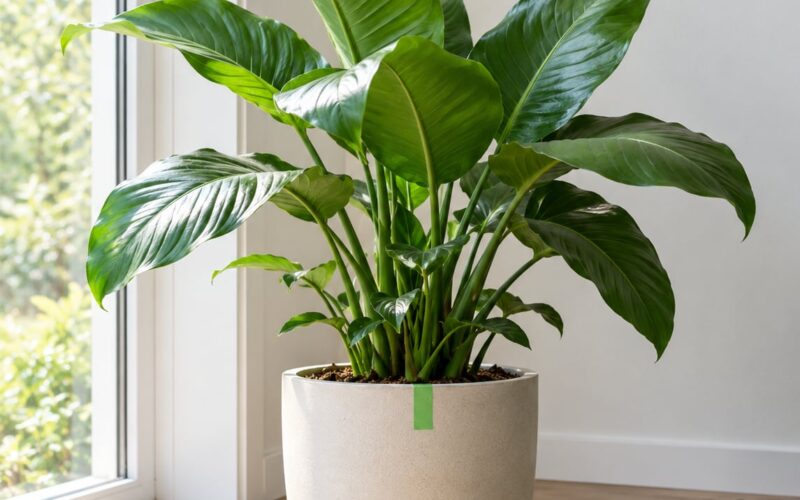
Tropical foliage includes pothos, philodendron, dracaena, spider plants, and most ferns. They lose water fast in dry, climate-controlled air and wilt within a week or two if ignored. Succulents, snake plants, ZZ plants, and cacti store water in their tissues and can go weeks, though they will not enjoy being drenched on the way out. Flowering plants such as peace lilies and anthuriums are thirsty but unforgiving of soggy soil, which is exactly the combination that causes root rot.
Also note the pot size and the light. A six-inch nursery pot dries out roughly twice as fast as a twelve-inch planter. A plant two metres from a window behaves differently from one sitting in the glass. Most office plants live under fluorescent or LED lighting at moderate brightness, which means slower growth and slower water use than the same plant at home in a bright room.
When you are not certain, water less rather than more. A plant that is slightly dry on departure day will still be alive on return. A plant sitting in wet soil for three weeks often is not.
Check soil moisture before watering
Push a finger about two to three centimetres into the potting mix. If it feels cool and slightly damp, the plant does not need water. If it feels dry and the surface has pulled away from the pot edge, it does.
Do this several days before you leave, not on the morning you leave. If the soil is already dry on a Tuesday and you fly out Friday, water Tuesday. If you water Thursday because that is the plant’s usual schedule, you may be watering soil that has already dried out.
Water thoroughly, not more often
When a plant does need water, water it until a small amount runs out of the drainage holes. Then empty the saucer, the cachepot, or the tray it sits in. Standing water in the saucer wets the root ball from below continuously, and that is the single most common way people kill plants before a trip.
Water the soil, not the leaves. A gentle stream on the surface settles into the root zone instead of running down the sides of the pot.
Frequent shallow watering trains roots to stay near the surface where they dry out first. A thorough drink sends water down through the whole root ball and pulls roots deeper, which is what you want for a plant that has to coast for a couple of weeks.
Reduce the plant’s watering demand
Water loss from leaves, called transpiration, rises with light and temperature. In an office you have two levers: light and air.
- Move plants off the windowsill and back a metre or two from the glass.
- Keep them out of the direct path of heating vents, air conditioning units, and door drafts.
- Avoid moving a plant into a dark storage room or closet. Low light slows water use, but no light for weeks means leaf drop and no recovery.
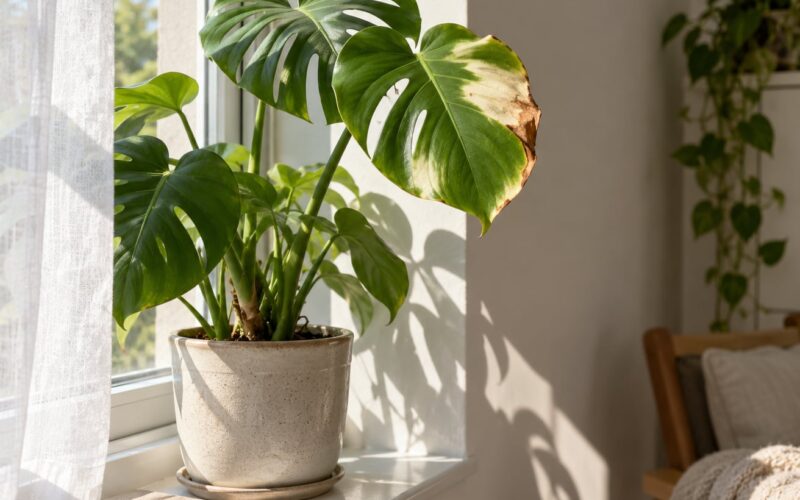
- If the office plants sit near a window that gets strong afternoon sun and nobody shades it, move the pot back or roll a blind down before you go.
One relocation is fine. Two or three moves in a week shocks the plant more than a slightly dry week would have.
Ask building management what happens to the HVAC on an empty floor. A lot of buildings drop to a weekend setback, which can leave an office noticeably colder or warmer than the set point. Cold, dry air shortens the watering interval; a weekend without heating can dry out a plant much faster than its usual schedule predicts.
Create a short-term humidity or moisture buffer
A thin layer of mulch, bark chips, or clean gravel over the top of the soil slows surface evaporation without touching drainage. Keep it shallow, maybe a centimetre, and keep it away from the stem so the trunk does not stay wet.
Grouping plants together creates a small humid pocket, since each plant gives off moisture that the next one picks up. It works well on a windowsill or a shared cabinet. It does not work well in an open-plan floor where the air moves constantly.
A pebble tray helps only if there is water in the tray, and only if the pot sits above the water line rather than in it. In an office, trays tend to get emptied by cleaning staff, so check that the water is actually there the morning you leave.
None of these buffers replace a drink. They buy a plant a few extra days, nothing more.
Arrange help for longer absences
For anything past a week, a person beats any gadget. The handoff takes ten minutes and it removes almost all the risk.
Leave a single sheet of paper with the plants listed by location and, for each one, the amount to give and how to check. Demonstrate the finger test on one pot so they know what dry soil feels like. Say plainly that overwatering is the bigger danger, and that skipping a watering is better than adding one. Ask for photos on the second day and again near the end of the trip; a photo of dry soil takes ten seconds and tells you whether to intervene.
Think about who actually has access. In many buildings a colleague cannot come in on a weekend, and cleaning staff may water plants by eye and guess high. If that is your situation, arrange weekday-only visits and set the amount for each pot, or hand the job to a local plant-care service that already has building access.
Shared plants need an owner too. Agree in writing who is responsible, and confirm it is one of the people who will actually be at their desk.
Set up an automatic watering option carefully
When nobody can visit, a slow water source does the work. Test any system for three to five days before you rely on it, and watch how fast it actually delivers.
- Wick and reservoir: a cotton rope or shoelace runs from a container of water into the soil. Capillary action keeps the mix damp. This is the most forgiving option and the one most people in plant communities recommend, because it slows down instead of dumping water at once. Check that the container holds enough for the whole trip.
- Bottle drip: an inverted bottle with a pinhole cap feeds the soil slowly. Easy to build, but the hole size is guesswork, and holes that are too big flood the pot on day one.
- Terracotta olla or spike: an unglazed clay vessel buried in the mix releases water gradually. Works well once it is soaked, and it needs testing like everything else.
- Commercial reservoir or drip kit: worth it for ten plants or more. For a desk with three pots it is more equipment than you need.
Skip the bathtub or sink method for office plants. It keeps soil saturated for days, and wet soil plus no light is how you invite root rot. People who use it report it works for a single week and turns risky after that.
Keep bottles, cords, and reservoirs clear of doorways, walkways, and electrical equipment. Nobody wants to explain a spill, and a tripped cord is a bad way to start a return to work.
Inspect plants before and after the trip
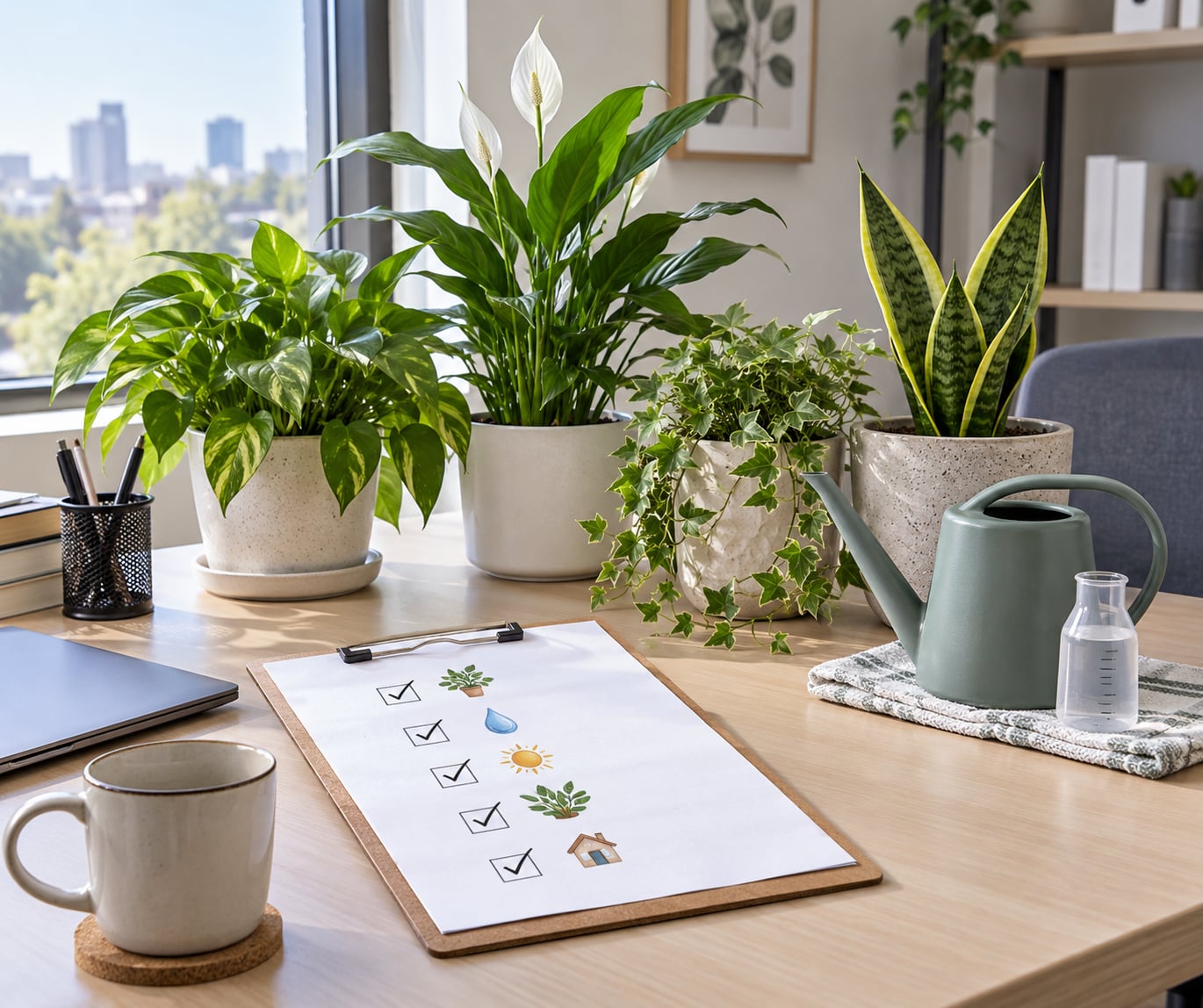
On the day you leave, do a slow walk through the office with a checklist. Confirm soil is moist but not saturated, saucers and cachepots are empty, drainage holes are clear, leaves look normal, and no pot is sitting in a vent blast or a dark corner.
Leave out fertilizer. Feeding pushes new growth that has no root support yet, and the plant will not use it while it is in low light with no new water.
Trim dead leaves and spent flower buds before you go, so you can tell later whether anything changed. Skip major pruning. It stresses the plant and it is easy to cut the wrong thing on an unfamiliar desk plant.
The morning you return, check in this order: soil, then stems, then leaves, then drainage. Dry topsoil means water now, thoroughly. Yellow, soft stems or a sour smell mean the soil has been wet too long, so let it dry and check the roots before adding more water. Limp but green leaves usually mean a dry plant that recovers quickly. Brown, crispy edges point to dry air, which is common in an empty office that came back up to full temperature. Small flies around the soil mean organic mix that has stayed wet.
If a plant is truly gone, remove it and its soil rather than leaving it as a source of fungus for the plants next to it.
Common Mistakes
Almost every office plant casualty traces back to one of these.
Watering right up to the last minute, then overwatering. A nervous extra drink on departure day is the most common cause of loss. Water according to the soil, not the anxiety.
Leaving water in the saucer. Empty every saucer, cachepot, and tray. A pot sitting in an inch of water is being kept wet continuously.
Following the old schedule. The plant’s calendar does not know it is a holiday. Check the soil, and remember that a week of reduced light and a cooler empty office can stretch the interval noticeably.
Assuming watering globes and spikes work without testing. Plenty of people report that globes clog or empty far too fast. Run yours for several days first and measure the output.
Trying vacation mode. The setting is designed for a couple of weeks on an occasional absence, not for a month of inattention. It does not adjust for weekends when nobody can reach the plant.
Placing plants in a dark room to “save” them. Cutting light slows water use, but a plant with no light for a month drops its leaves. Back off the light, do not remove it.
A few extras that help: ask the receptionist or facilities contact where the plants actually live, since they know which rooms get shut down. Photograph each plant with your phone on departure day, because it makes spotting change obvious. And skip pruning hard right before you travel.
Frequently Asked Questions
Can I leave my plants for 3 weeks?
Three weeks is fine for succulents, cacti, snake plants, and ZZ plants if they were watered on departure day and moved back from the glass. Tropical foliage and flowering plants need help over that stretch, so set up a wick or reservoir, or have someone water them twice during the trip. Empty every saucer before you leave, and skip fertilizer.
How can I keep my plants watered while on vacation?
Most people searching how to keep office plants alive over vacation only need two things: a thorough watering on departure day and a plan for anything past ten days. For a week or less, empty the saucers, add a thin mulch layer, and move plants away from windows and vents. Past ten days, arrange a person who checks the soil and waters to written amounts, or use a tested wick, bottle drip, or reservoir system. Test any device for several days before you rely on it.
How many days can plants go without water?
It depends on the plant and the room. Drought-tolerant office plants such as snake plants, ZZ plants, and most succulents handle three to four weeks easily. Tropical foliage plants like pothos and philodendron usually last one to two weeks, and flowering plants sit in between. Cool, dry air and strong light shorten every one of those windows.
Should I water my plants the day I leave?
Usually yes, but only if the soil is actually dry. Check a few days ahead and water on that schedule instead. Give enough that a little drains from the base, then empty the saucer. Watering on departure day when the pot is already moist is what causes the most damage.
What is the best way to water office plants while on vacation?
A colleague with written instructions beats any device for trips of a week or more. Leave a list of plants, the amount for each, a note that overwatering is the bigger risk, and ask for photos mid-trip. If nobody can get into the building on weekends, plan weekday visits only or hire a plant-care service that already has access.
How do I bring a plant back after it looks bad?
Check the soil first. Dry topsoil with limp leaves needs a thorough drink and usually recovers within days. Yellow, soft stems or a sour smell mean the soil stayed wet, so let it dry out and inspect the roots before adding water. Remove dead foliage, hold off on fertilizer for a few weeks, and keep the plant in the same light it grew in.
Conclusion
Start with the soil. Walk each plant, decide whether it actually needs water, give it a thorough drink if it does, and empty every saucer before you close the door. Then move it back from the glass and away from vents, add a light mulch layer, and photograph it.
For a week or less, that is the whole job. Past ten days, line up a colleague with written instructions or a tested slow-release system, and check that the person can reach the floor on the days you need. Check the plants the morning you get back, starting with soil and drainage rather than the leaves. Knowing how to keep office plants alive over vacation comes down to that soil check first, every time.