Concrete Planter DIY for Beginners: Simple Step-by-Step 2026
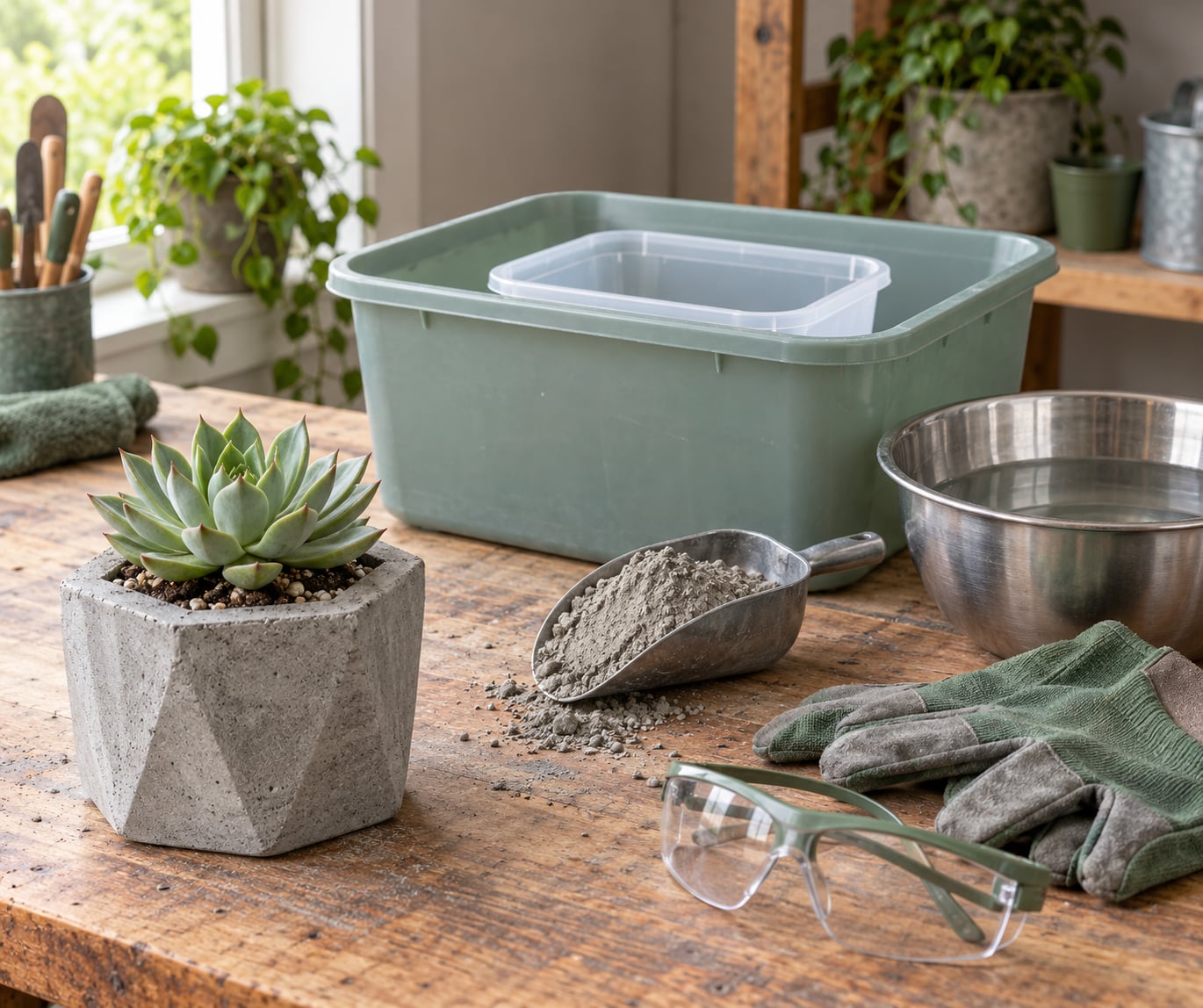
Concrete planter DIY for beginners comes down to one trick: wet cement mix, a large container, and a smaller container pushed into the middle. … Read more

 Owen Bramley
Concrete planter DIY for beginners comes down to one trick: wet cement mix, a large container, and a smaller container pushed into the middle. … Read more
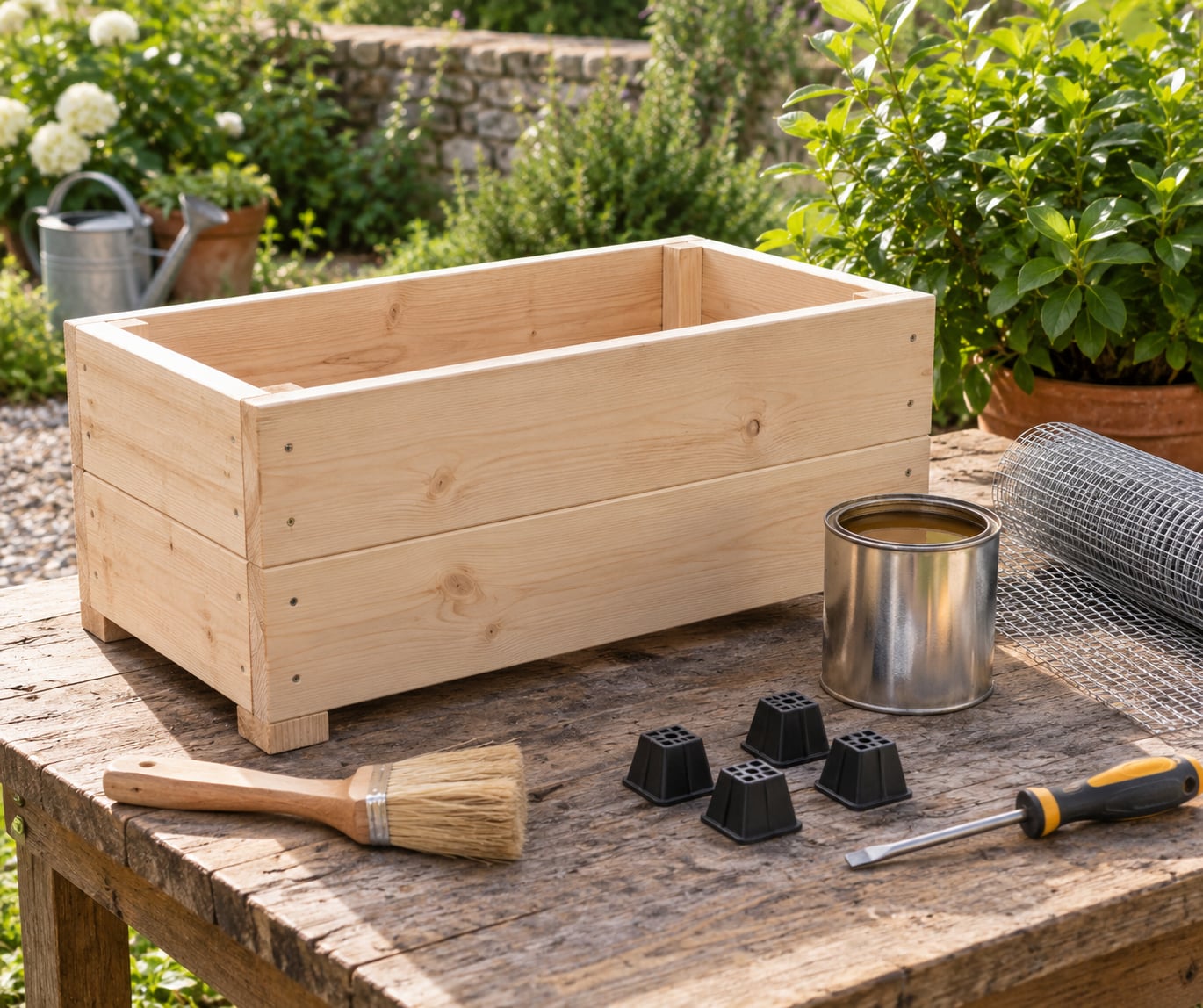
Wood rot is fungal decay, and a planter gets it when the wood stays damp long enough for fungi to break down the cellulose. … Read more
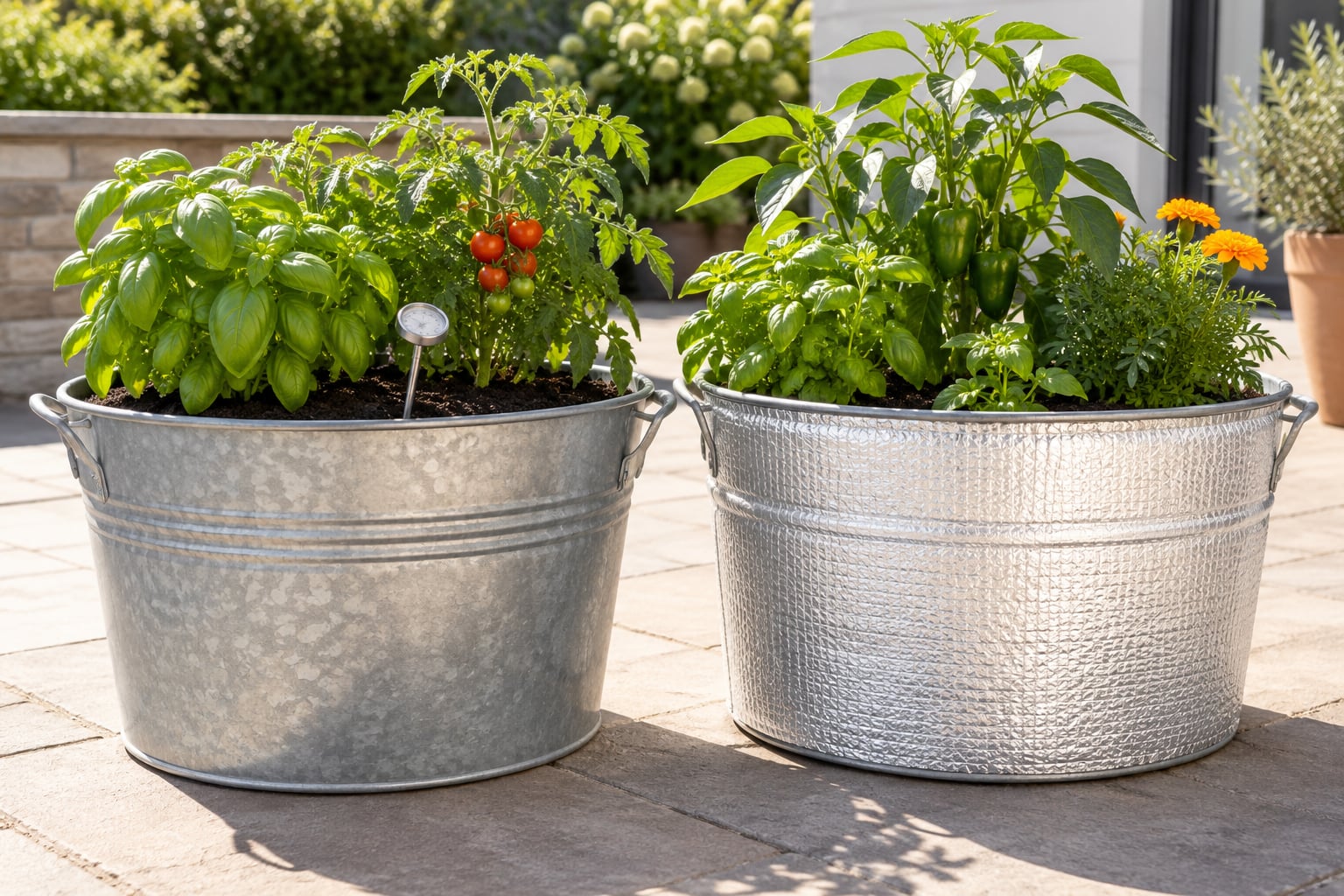
Metal does not automatically cook plant roots, but a dark or thin-walled container sitting in full sun can push the root-zone temperature well above … Read more
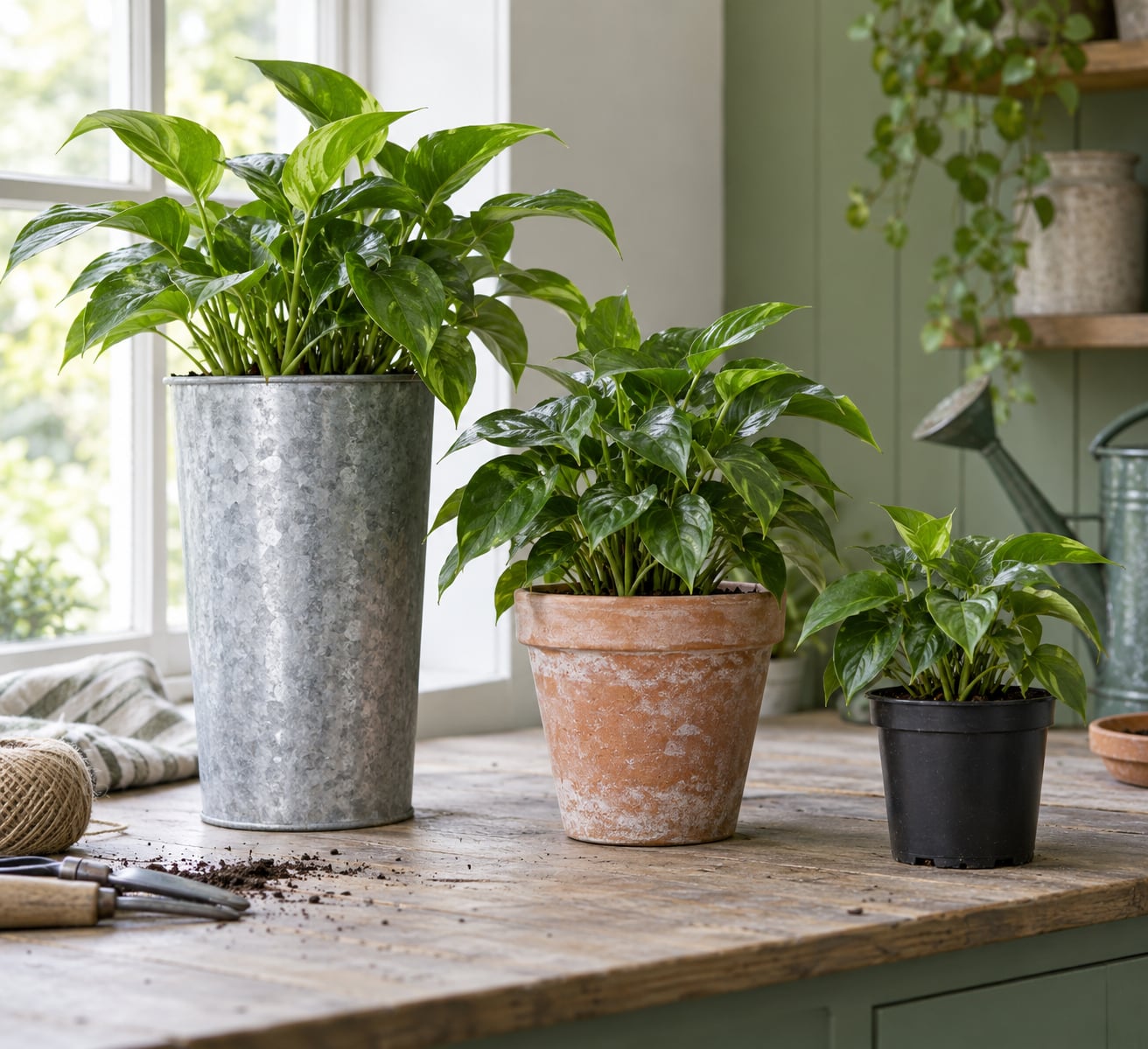
Metal planters pros and cons for plants boil down to two properties: metal moves heat and moisture faster than plastic or terracotta, and it … Read more
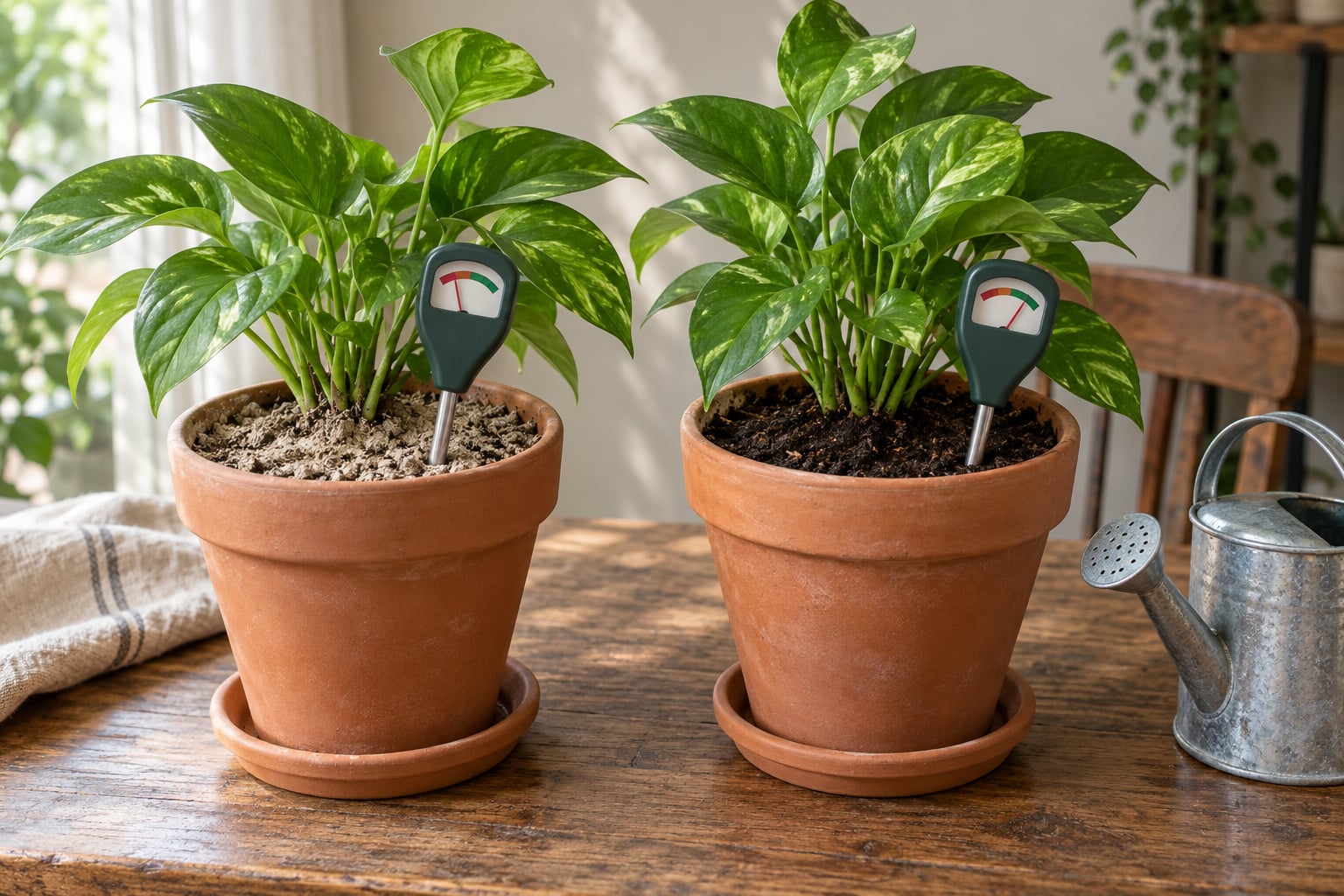
Yes. Unglazed terracotta is porous clay, so water wicks out of the potting mix, travels up the pot wall and evaporates from the outside. … Read more
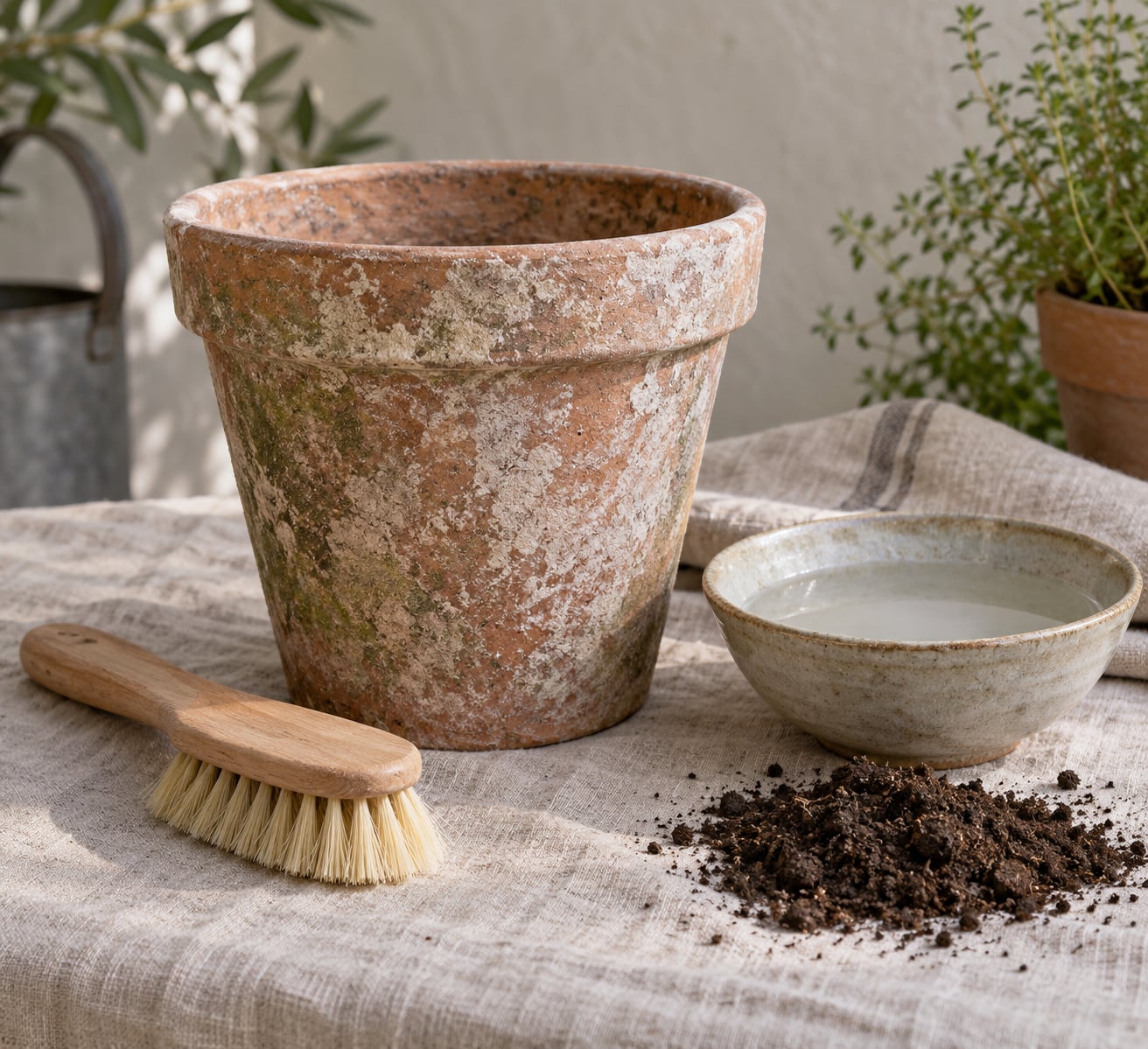
Aging terracotta means adding the visual evidence of years outdoors — mineral staining, darkened pores, softened edges and moss — until a bright new … Read more
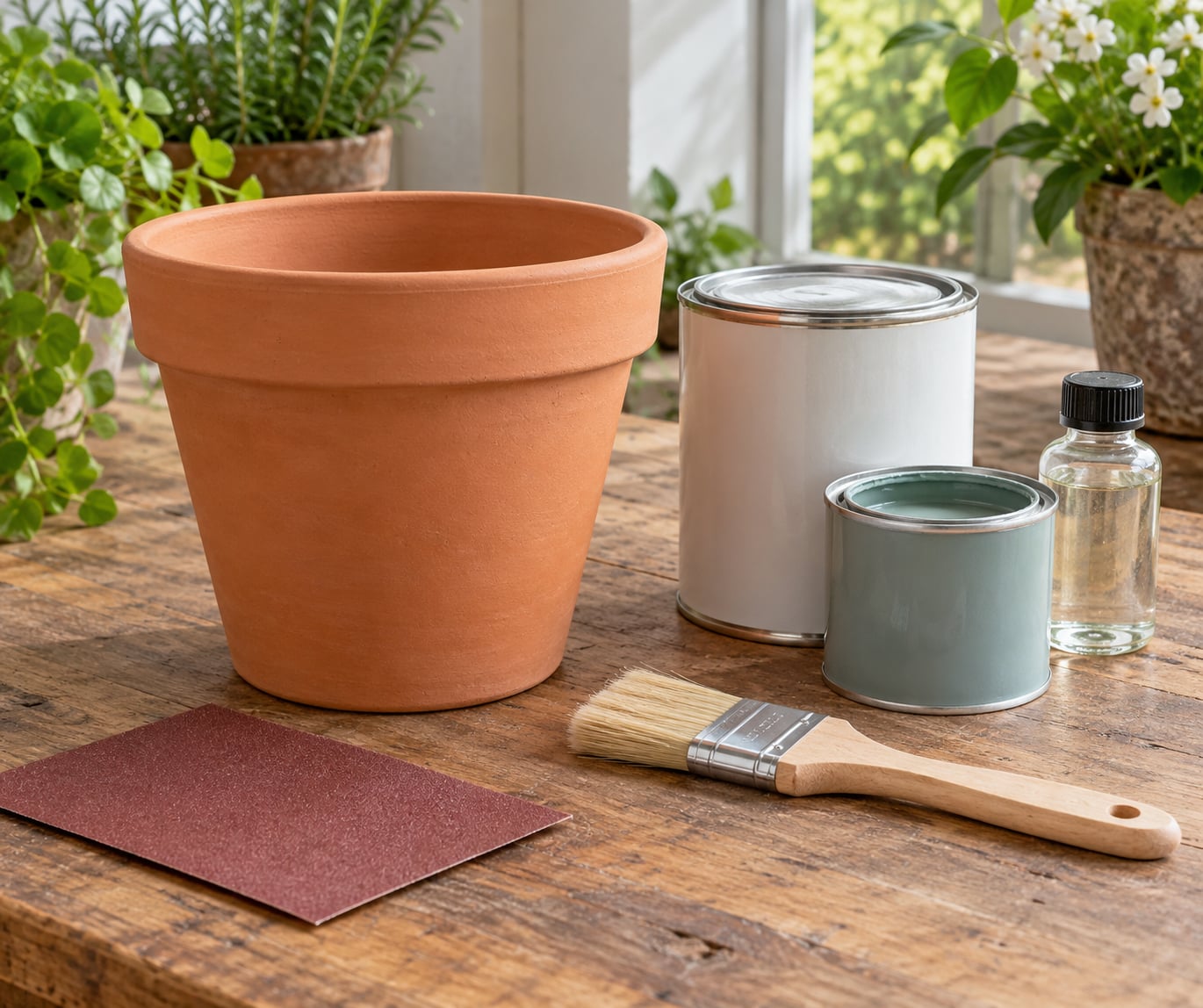
Paint peels off terracotta because the clay is porous and alkaline, so water moves through it in both directions. Once a pot holds damp … Read more
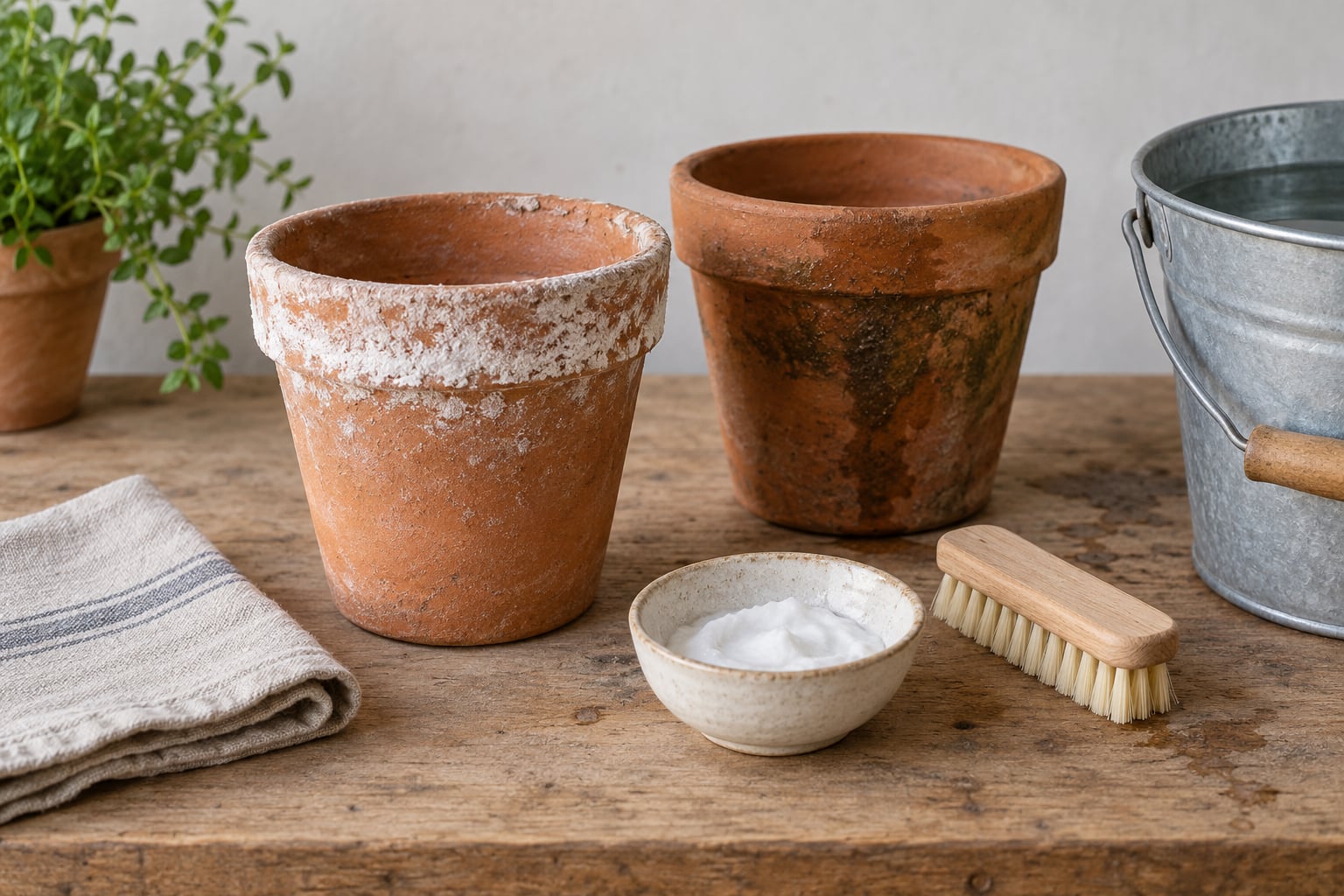
Terracotta pot care and cleaning comes down to three things: identify what the deposit actually is, use the mildest method that shifts it, and … Read more
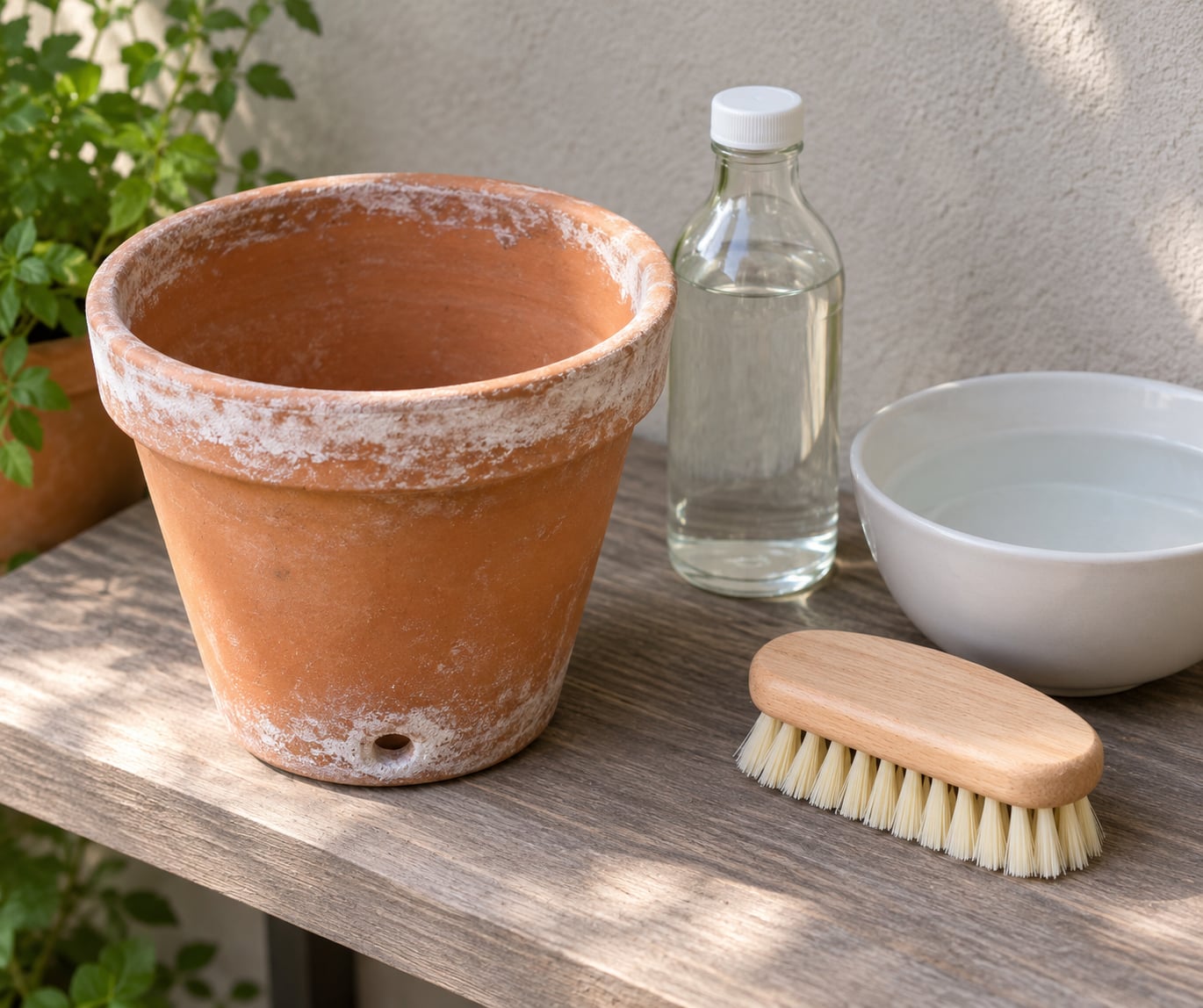
The white residue on terracotta pots is mineral efflorescence, not mold. Water moves through the porous clay, picks up dissolved calcium, magnesium and salts … Read more
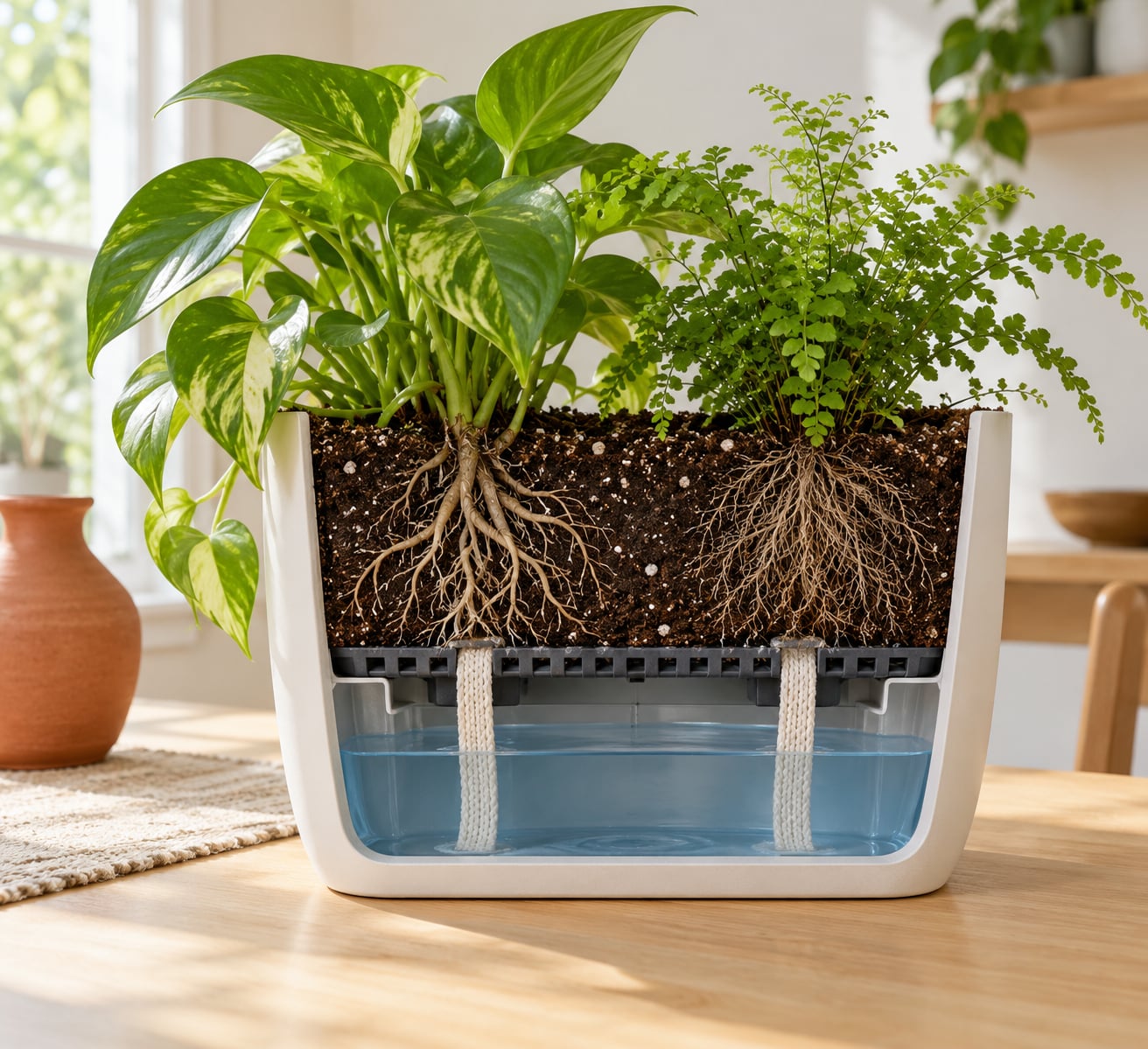
Self watering planters store water in a sealed reservoir at the base of the pot and pull it up into the soil by capillary … Read more