Do Metal Pots Get Too Hot for Roots? Safe Planting Guide (2026)
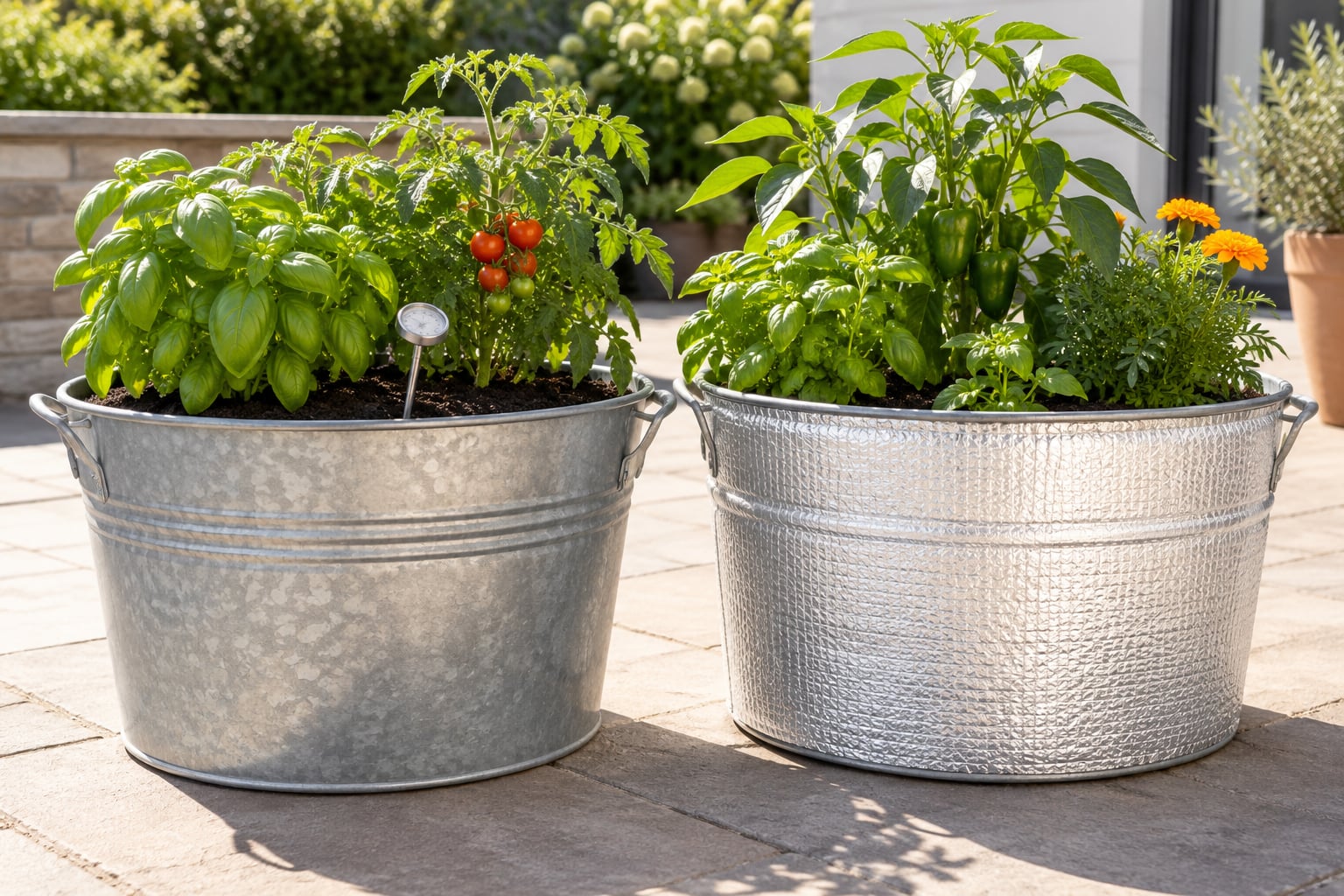
Metal does not automatically cook plant roots, but a dark or thin-walled container sitting in full sun can push the root-zone temperature well above … Read more

Metal does not automatically cook plant roots, but a dark or thin-walled container sitting in full sun can push the root-zone temperature well above … Read more
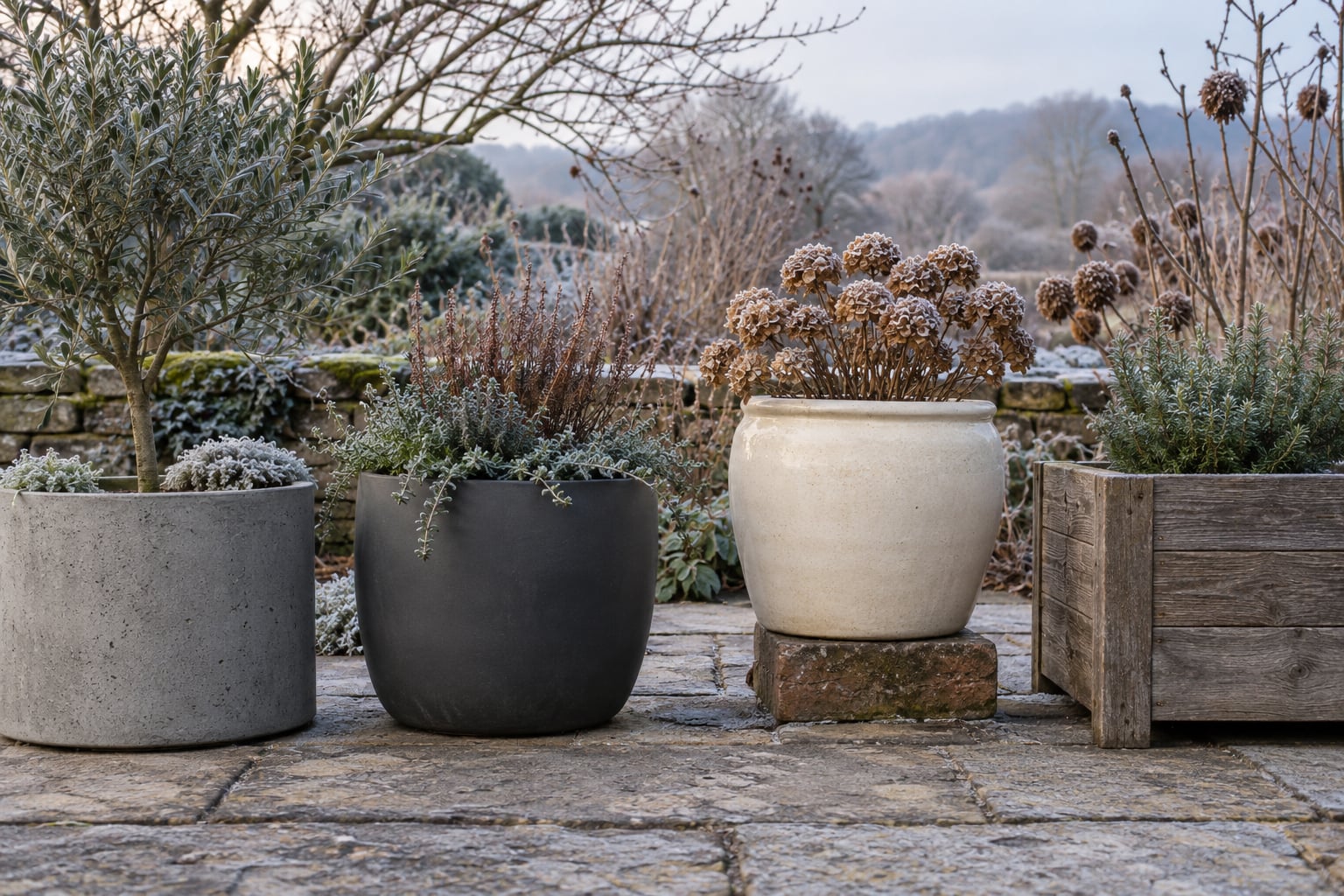
A planter is not frost proof unless its entire construction, drainage system and installation can handle repeated freeze-thaw cycles. The material matters most, but … Read more
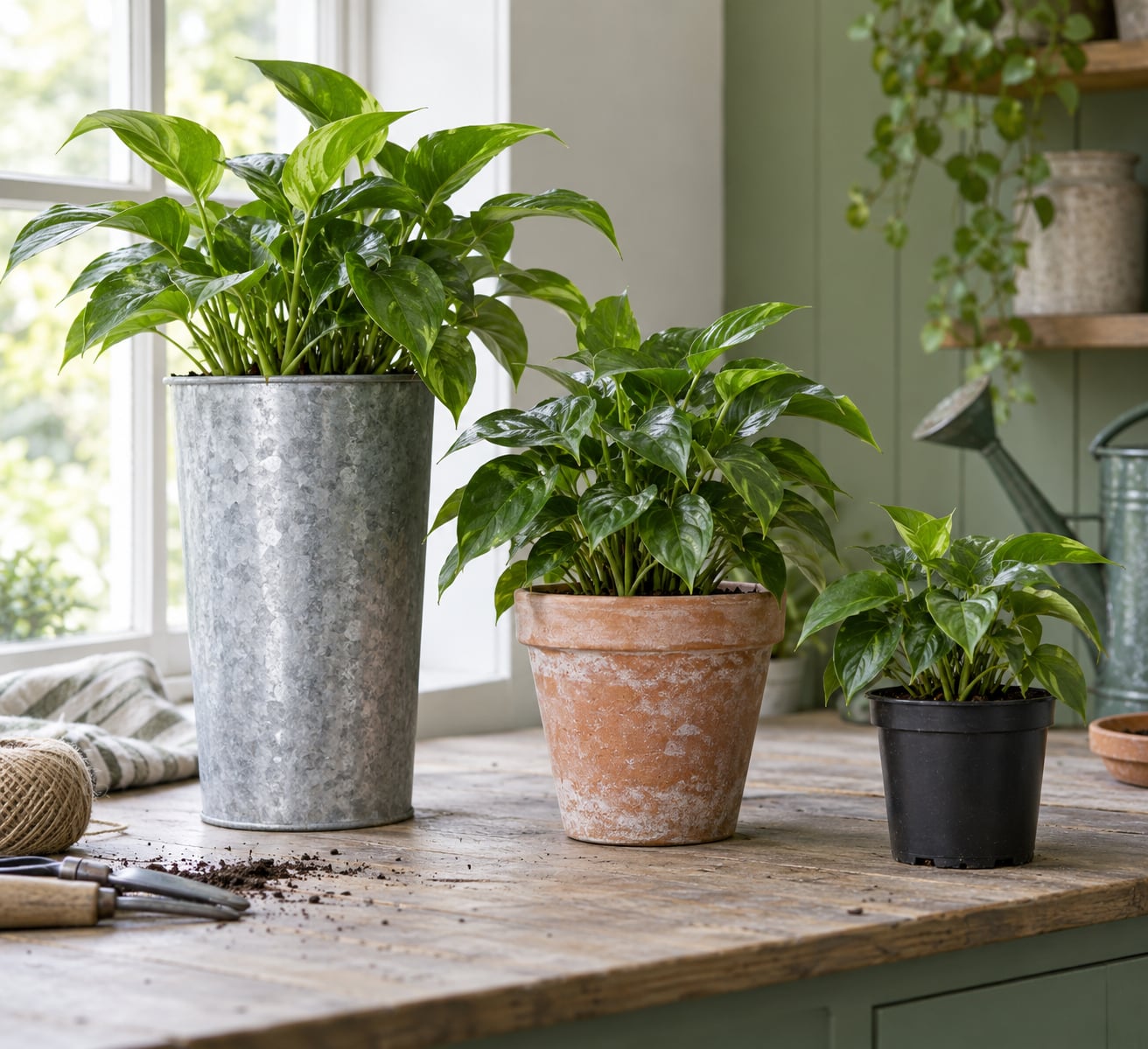
Metal planters pros and cons for plants boil down to two properties: metal moves heat and moisture faster than plastic or terracotta, and it … Read more
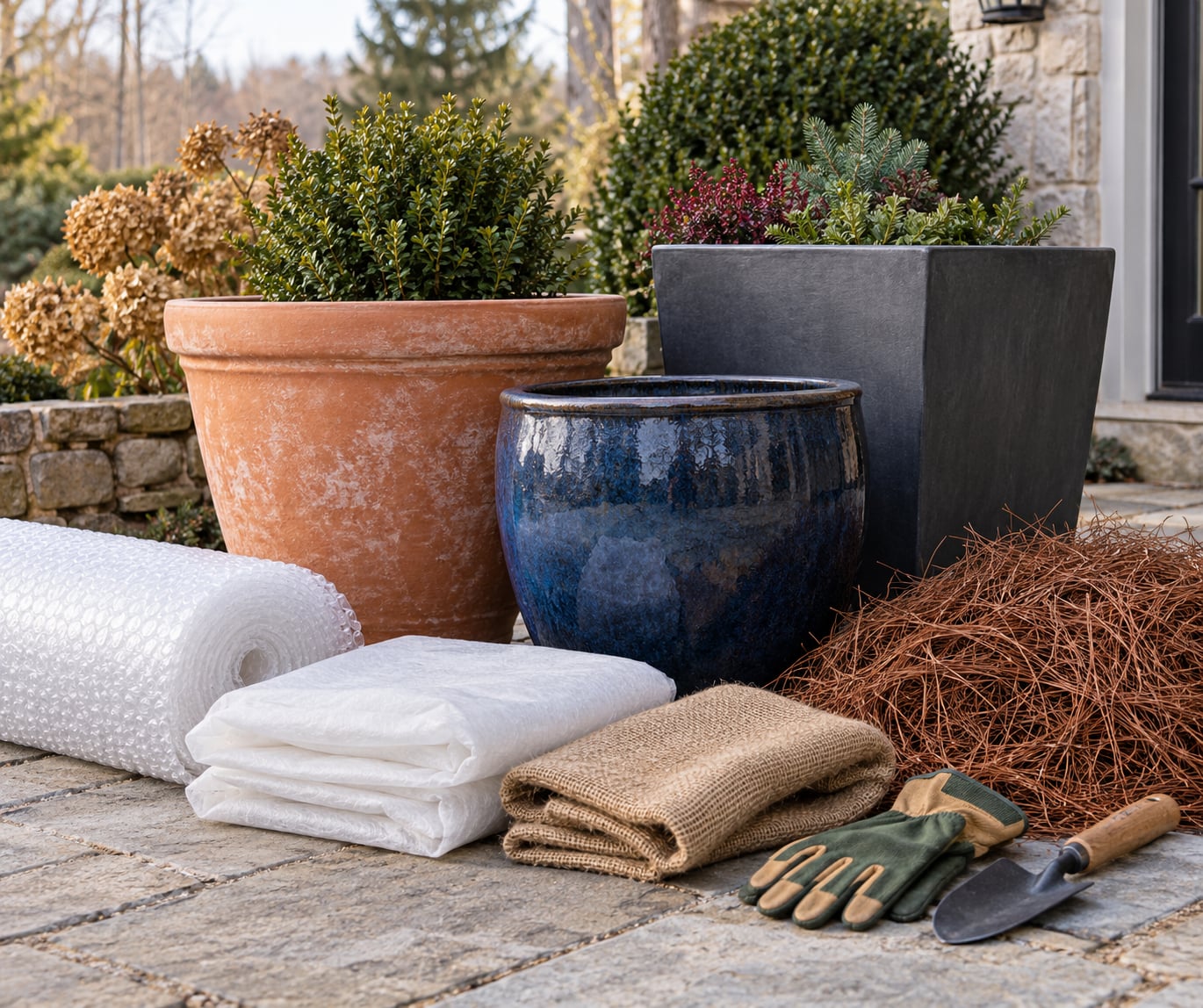
Start about a week before your first hard freeze and work from the soil up: cut watering back, clear dead growth, mulch the surface, … Read more
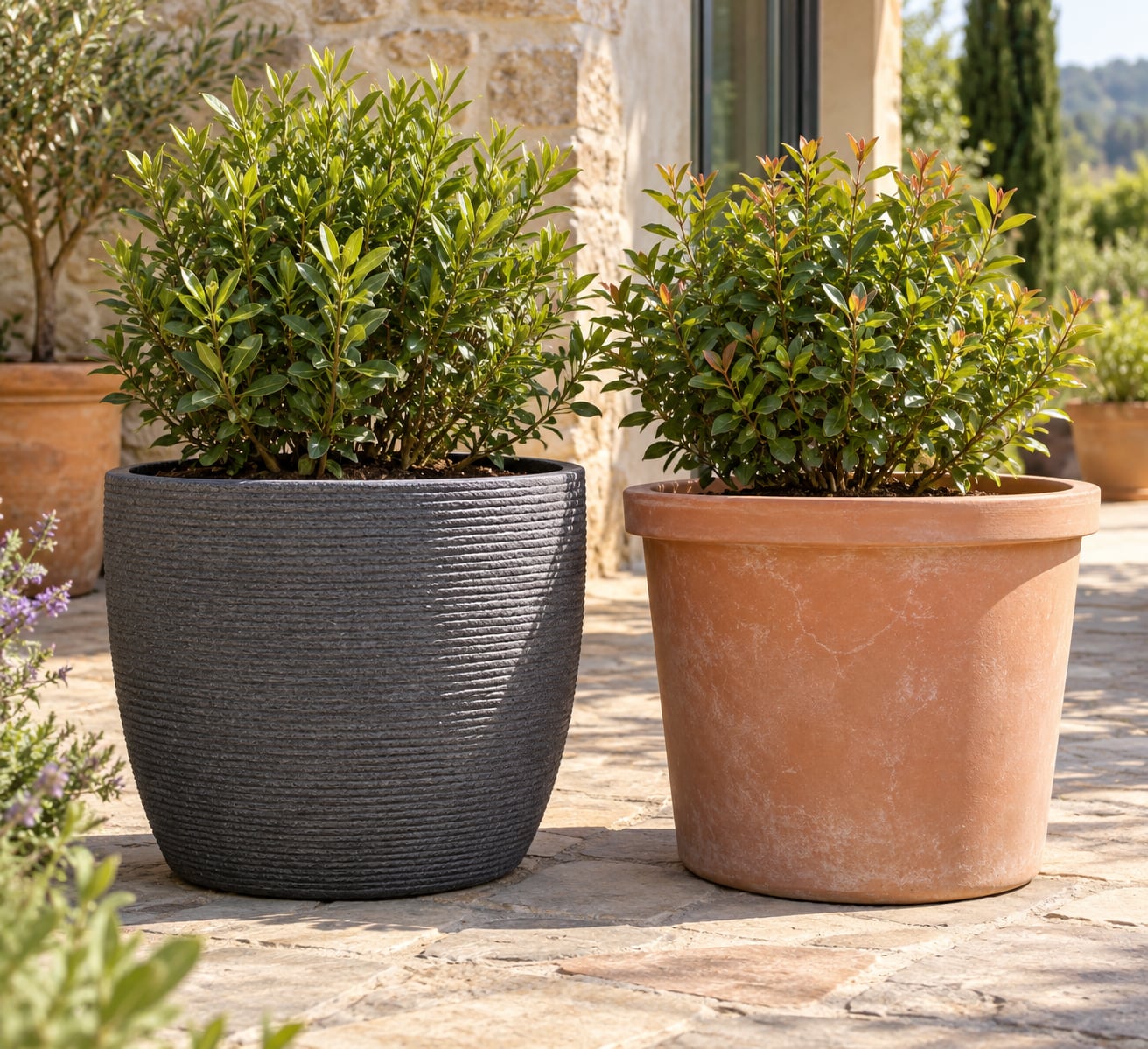
Resin planters outlast plastic planters outdoors, usually by two to three times in full sun, and a good poly resin pot can hold its … Read more
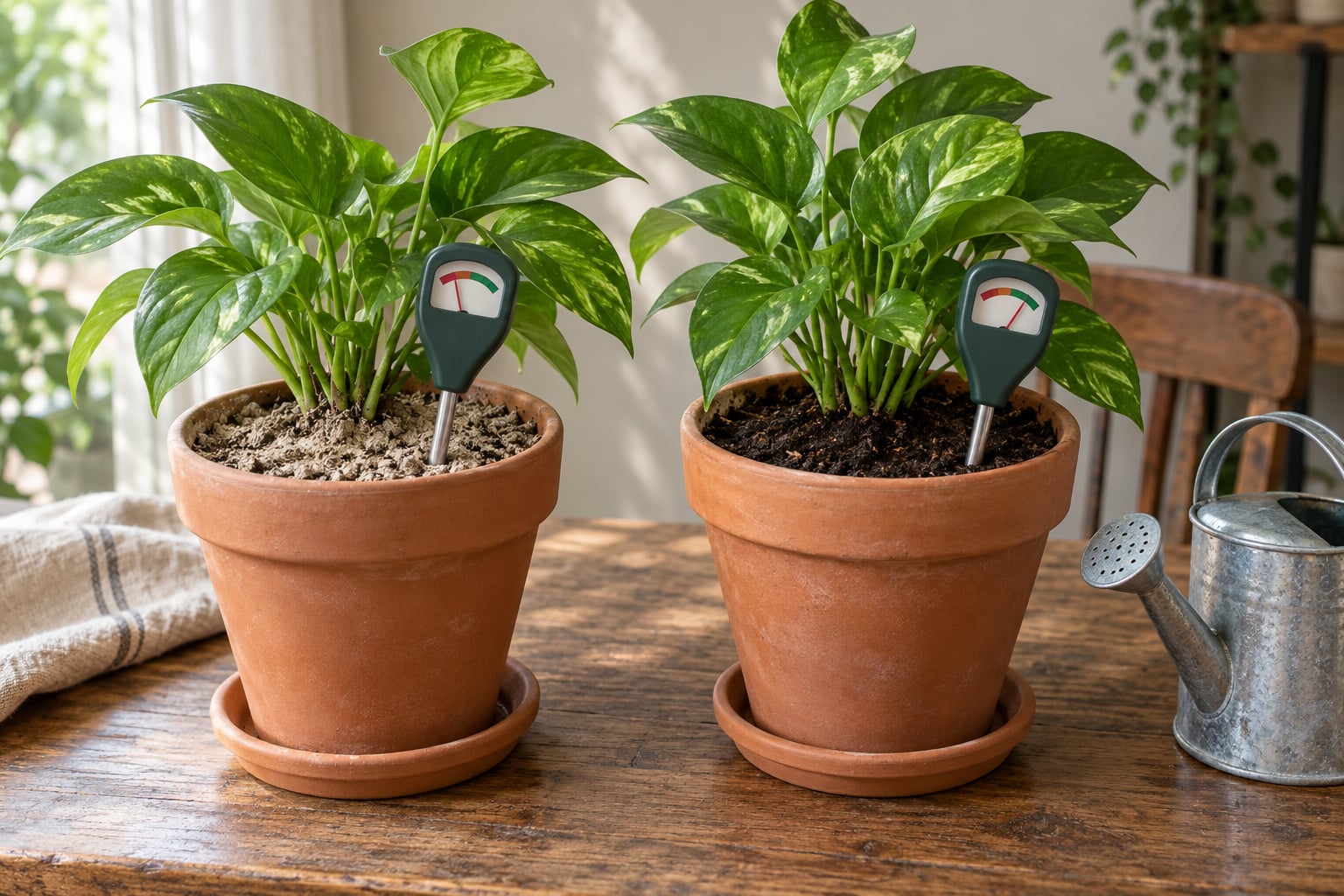
Yes. Unglazed terracotta is porous clay, so water wicks out of the potting mix, travels up the pot wall and evaporates from the outside. … Read more
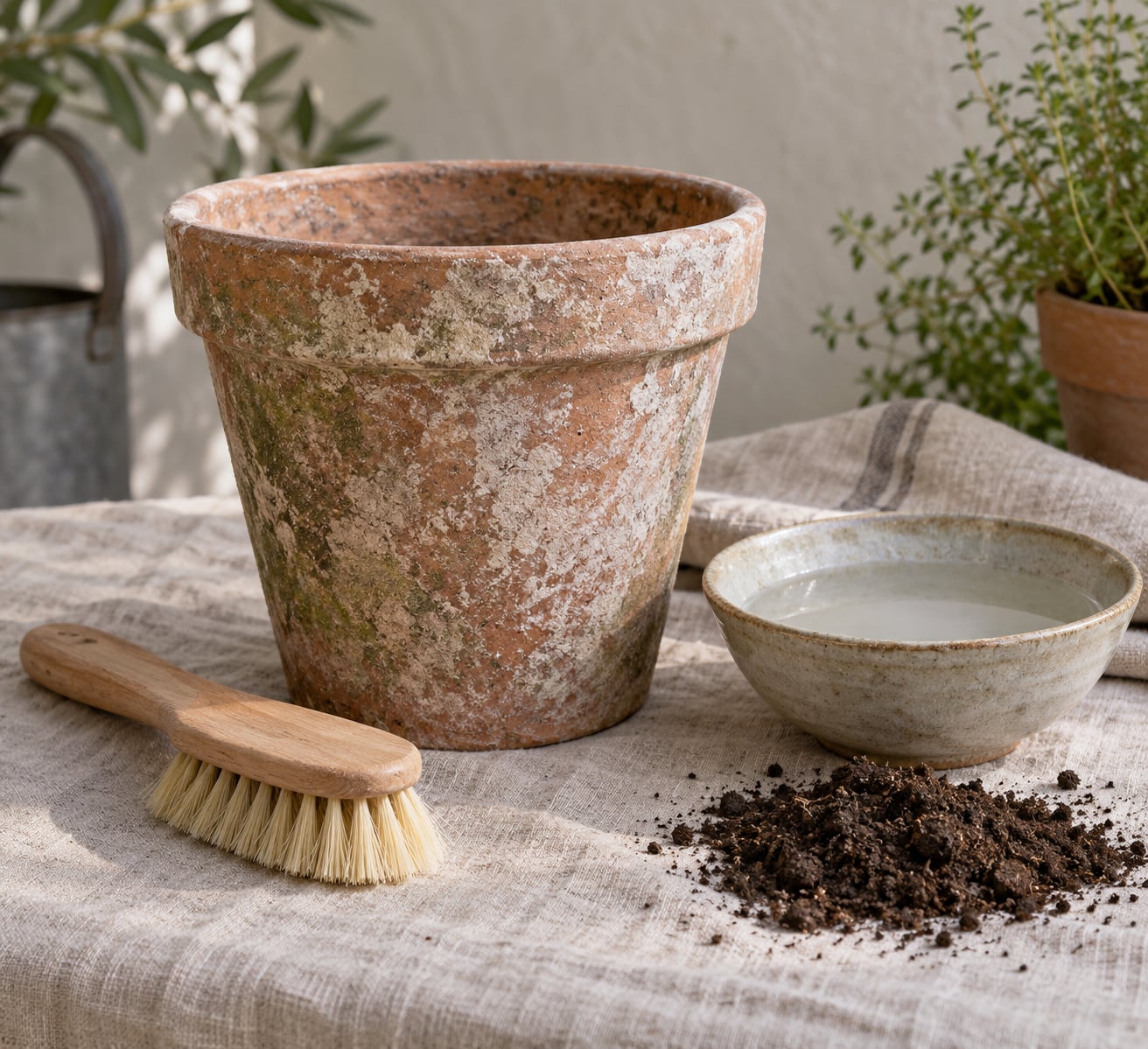
Aging terracotta means adding the visual evidence of years outdoors — mineral staining, darkened pores, softened edges and moss — until a bright new … Read more
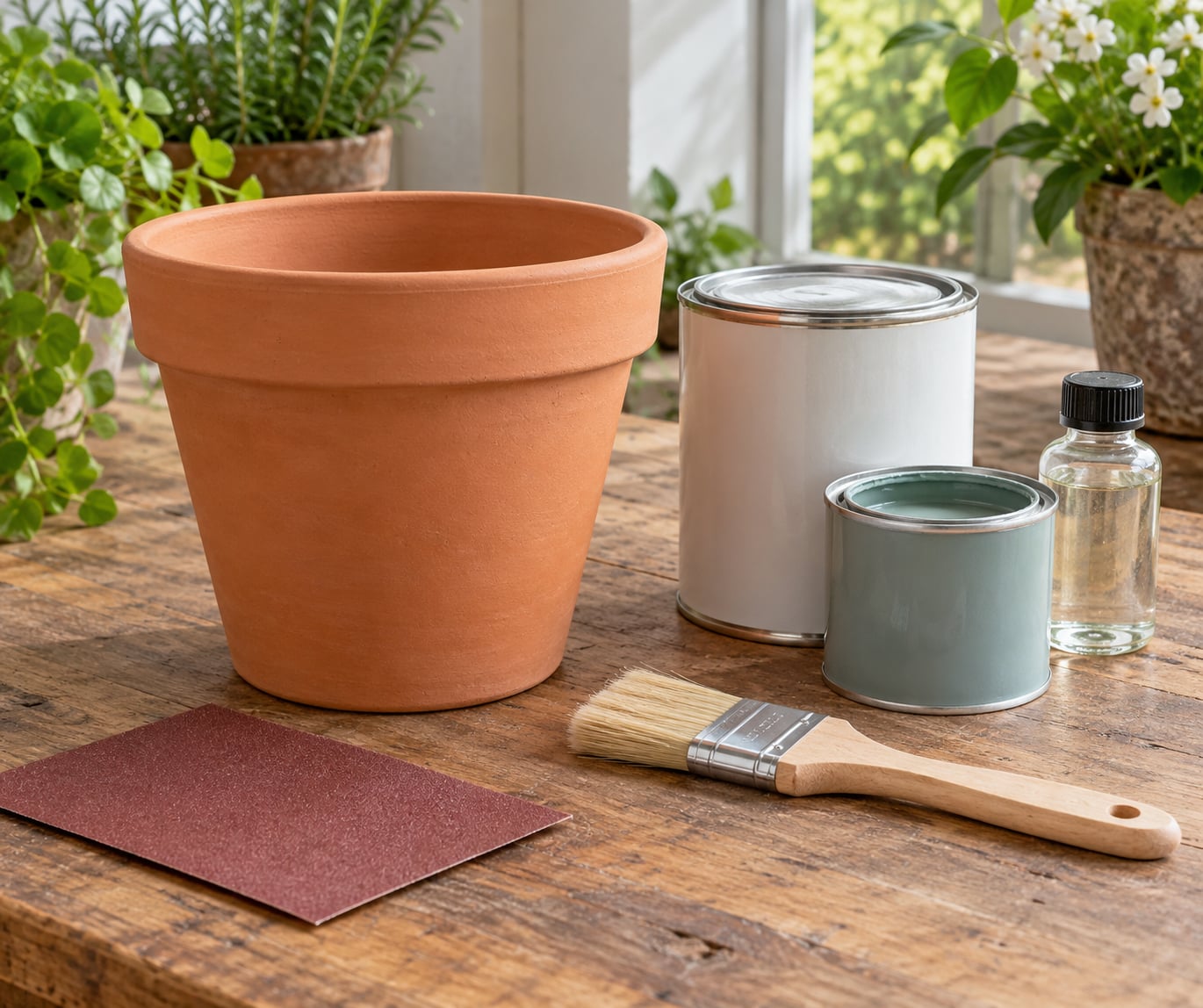
Paint peels off terracotta because the clay is porous and alkaline, so water moves through it in both directions. Once a pot holds damp … Read more
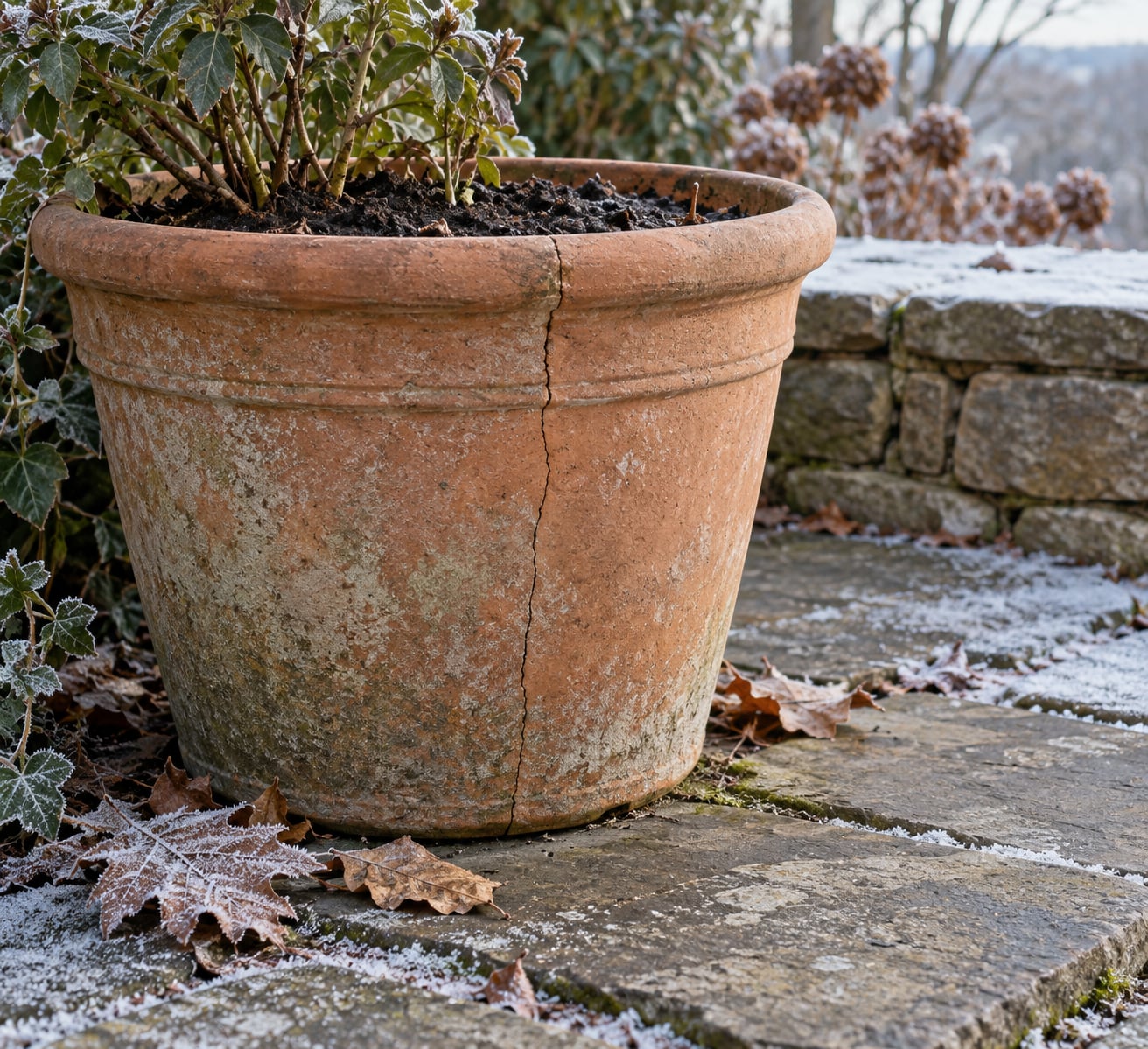
Terracotta pots crack in winter because unglazed clay is porous, so autumn rain and melting snow soak straight into the pot wall. That water … Read more
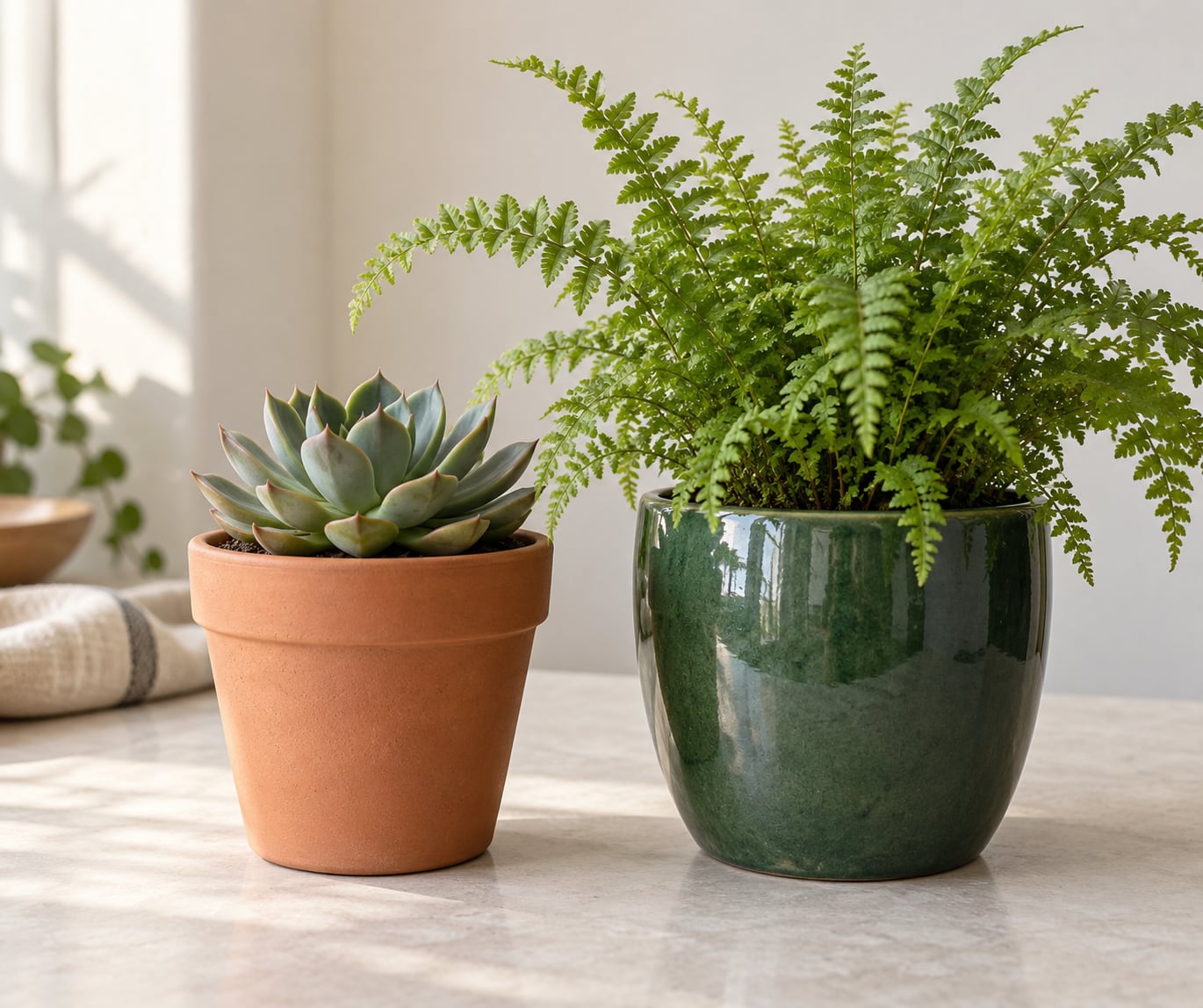
Terracotta is the better pot when you grow succulents, cacti, Mediterranean herbs or anything that wants dry soil and plenty of air around its … Read more